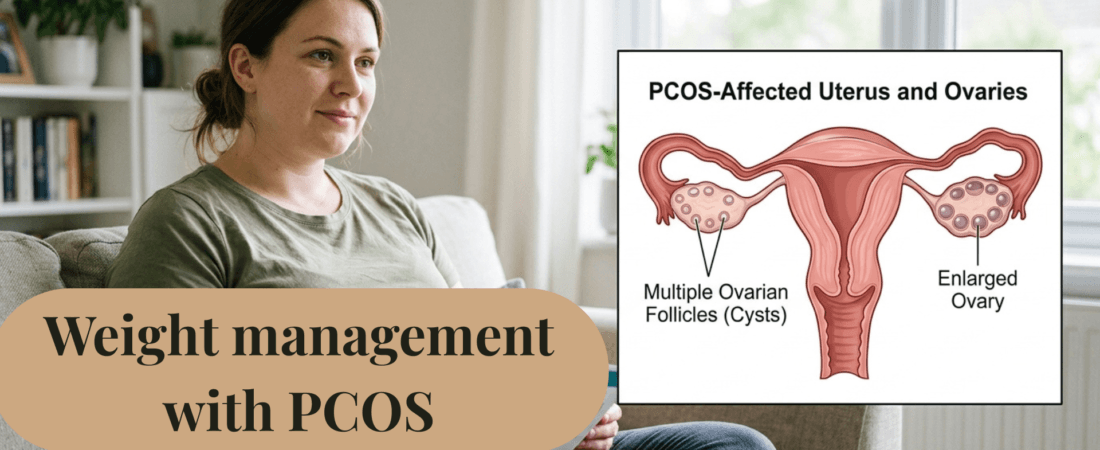
Introduction
If you have PCOS, this is not your imagination. Weight loss for PCOS is genuinely harder than it is for other women. Your hormones are working against you in ways that most doctors never fully explain.
Therefore this guide breaks down exactly what is happening inside your body. What actually works for weight loss for PCOS. And how you can finally start making progress, without starving yourself or spending hours at the gym.
How PCOS Affects Your Daily Life
PCOS is not just a reproductive condition, but particularly it affects almost every part of a woman’s life.
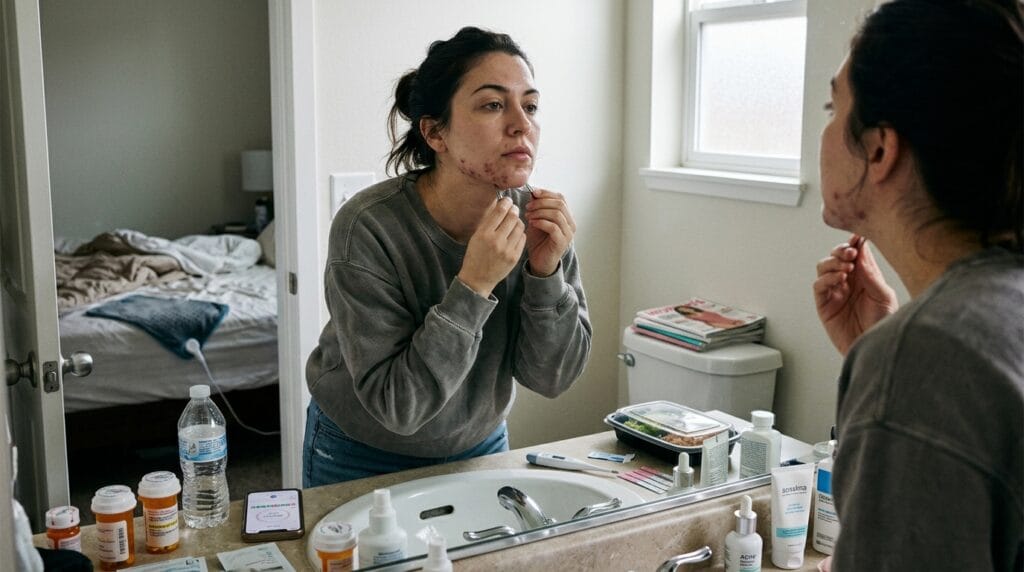
Your Skin and Appearance. High testosterone triggers painful hormonal acne along the jawline. It also causes unwanted facial and body hair, and hair thinning on the scalp, all of which deeply affect confidence and self esteem.
Your Energy and Mood. Chronic fatigue, brain fog, anxiety, and depression are extremely common in women with PCOS. These are not just emotional responses, they are direct biological effects of hormonal imbalance.
Your Cycle and Fertility. Irregular or missing periods make daily life unpredictable. Additionally PCOS is the leading cause of female infertility worldwide. But the good news is it is highly treatable with the right support.
Your Long Term Health. Unmanaged PCOS increases the risk of Type 2 diabetes, heart disease, and metabolic syndrome. Meanwhile Every positive lifestyle change you make today directly protects your future health.
The PCOS and Weight Connection: Weight loss for PCOS
Women with PCOS are significantly more likely to gain weight. And significantly less likely to lose it through conventional dieting.
Additionally studies show that up to 80% of women with PCOS are overweight or obese…
Not because they lack discipline, but because their metabolic environment makes weight gain. Even almost inevitable without the right approach.
As a result, the weight itself also worsens PCOS. Excess body fat increases insulin resistance, which raises androgen levels. Which worsens PCOS symptoms, creating a cycle that feels impossible to break.
On the other hand the good news is that even a 5% reduction in body weight can significantly improve PCOS symptoms. And restore menstrual regularity, and reduce insulin resistance.
However, you do not need to reach your ideal weight to feel better. Small, consistent progress creates real change.
What Actually Works for Weight Loss for PCOS
1. Fix Your Insulin First
Insulin resistance drives most of the weight gain in PCOS. While Addressing it directly is the most powerful thing you can do.
Cut back dramatically on refined carbohydrates. That specifically includes, white bread, white rice, pasta, sugary drinks, and processed snacks. These foods spike your blood sugar rapidly. That triggers large insulin responses that keep your body locked in fat storage mode all day. Replace them with complex carbohydrates.
Like, sweet potato, oats, quinoa, and legumes. Eventually these release glucose slowly, keeping insulin levels stable. That gives your body a chance to burn fat.
Pair every meal with protein and healthy fat. This slows digestion, reduces blood sugar spikes, and keeps you fuller for longer.
2. Build Muscle Through Strength Training
Muscle tissue is the most metabolically active tissue in your body. Although it is also the most insulin sensitive. The more muscle you build, the better your cells respond to insulin. And the more fat your body burns at rest.
Then, aim for 3 strength training sessions per week. You do not need a gym.bodyweight exercises like squats, lunges, push ups, and resistance band work are highly effective.
Avoid excessive cardio. Long cardio sessions raise cortisol, which raises blood sugar, which raises insulin making your PCOS symptoms worse.
Meanwhile, short, intense workouts or steady strength training are far more effective for women with PCOS.

3. Use the Right PCOS Supplements for Weight Loss
Supplements will not replace lifestyle changes, but the right ones can make a significant difference for women with PCOS.
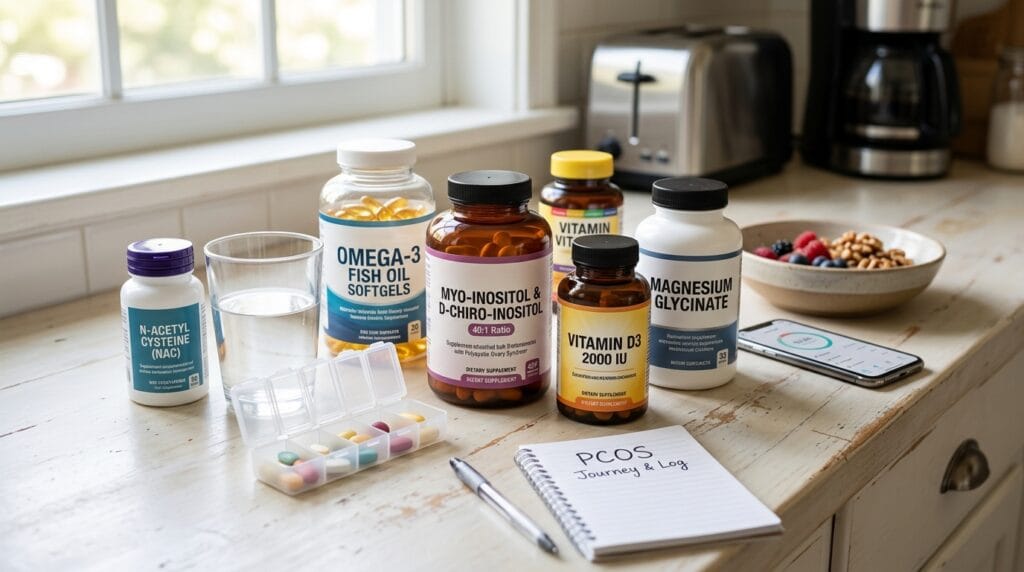
Inositol: The most researched supplement for PCOS. Indeed it directly improves insulin sensitivity, reduces androgen levels, and supports ovulation. A combination of myo-inositol and d-chiro-inositol in a 40:1 ratio is the most effective form. After that many women notice real improvements in weight, energy, and cycle regularity within 3 months.
Berberine: Works similarly to Metformin by improving insulin sensitivity and reducing blood sugar. It is one of the most powerful natural supplements for PCOS weight loss.
Magnesium deficiency is common in women with insulin resistance.
Meanwhile, supplementing with magnesium glycinate supports blood sugar regulation, reduces inflammation, and improves sleep quality. All of which help with weight loss for PCOS.
Omega 3 fatty acids reduce chronic inflammation, lower androgens, and support healthy hormone production.
Take at least 2 grams of combined EPA and DHA daily.
4. Prioritise Vitamins for PCOS Weight Loss
Specific vitamin deficiencies are extremely common in women with PCOS and consequently, affect your ability to lose weight.
Vitamin D deficiency is found in up to 85% of women with PCOS. Low vitamin D worsens insulin resistance, increases inflammation, and disrupts the hormones that regulate appetite and fat storage.
Most importantly get your levels tested and supplement accordingly, most women with PCOS need at least 2,000 to 4,000 IU daily.
B vitamins, particularly B12 and folate: support energy metabolism and are essential for women taking Metformin. Which also depletes B12 over time.
Zinc supports insulin function, reduces androgens, and helps regulate appetite. While It also supports thyroid function, which is commonly disrupted in women with PCOS.
5. Plan Your PCOS Meals for Weight Loss
What you eat matters enormously, but so does how you structure your meals throughout the day.
Eat protein at breakfast. Starting your day with protein stabilizes blood sugar from the first meal. It also reduces cravings throughout the day. Eggs, Greek yogurt, cottage cheese, and protein smoothies are all excellent choices.
Follow an anti inflammatory eating pattern. Base your meals around vegetables, lean protein, healthy fats, and low carbohydrates. Reduce or eliminate vegetable oils, processed foods, sugar, and alcohol. They inflammation and worsen insulin resistance.
Do not skip meals. Skipping meals causes blood sugar to drop. That triggers a stress response that raises cortisol and insulin. Eat three balanced meals daily, with protein and fat at each one.
Eat your largest meal earlier in the day. Ultimately research shows that women with PCOS who eat larger meals in the morning and smaller meals in the evening have better insulin sensitivity and lose weight more effectively.
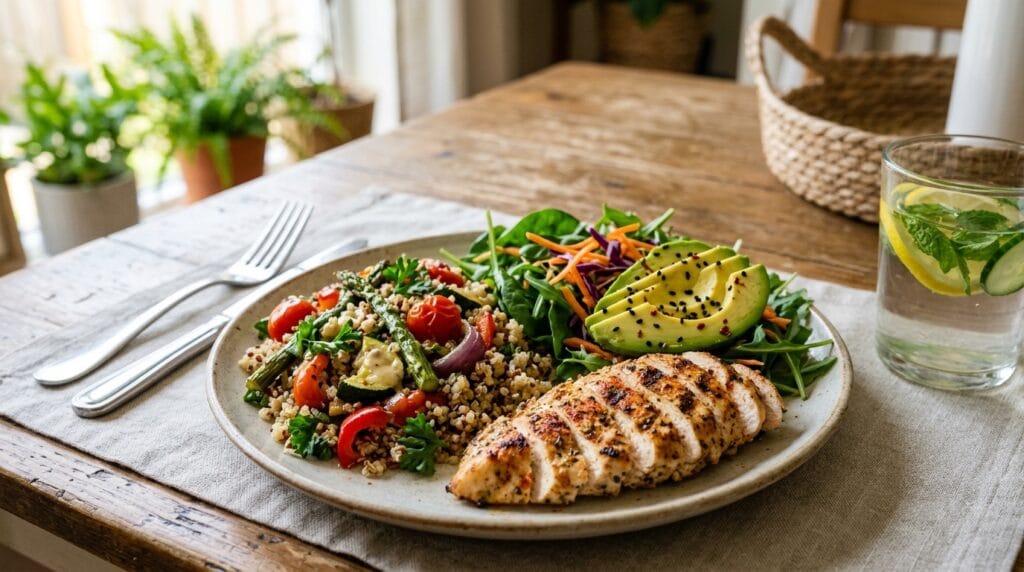
Here is a simple day of PCOS meals for weight loss:
- Breakfast: 3 scrambled eggs with spinach and avocado.
- Lunch: Grilled chicken with roasted vegetables and quinoa.
- Dinner: Baked salmon with steamed broccoli and sweet potato.
- Snack: A handful of almonds with a small apple.
6. Manage Stress and Sleep
Chronic stress is one of the most underestimated obstacles to weight loss for PCOS. High cortisol directly raises blood sugar, increases insulin. That promotes belly fat storage, and worsens every PCOS symptom you already have.
Prioritize, sleep above almost everything else. Poor sleep raises ghrelin, your hunger hormone. It also reduces leptin: your fullness hormone making you hungrier, less satisfied after meals. And more likely to crave sugar and carbohydrates the next day.
Most importantly aim for 7 to 9 hours of quality sleep every night. Additionally reduce screen time before bed. Keep your room cool and dark. And avoid caffeine after 2pm.
Build a daily stress management practice. Even 10 minutes of walking, breathing exercises, journaling, or gentle yoga. It makes a measurable difference to your cortisol levels over time.
What About Ozempic for PCOS Weight Loss?
Ozempic ,is the brand name for semaglutide. And become one of the most talked about medications for weight loss in recent years. Many women with PCOS are asking whether it could help them.
Ozempic works by mimicking a hormone called GLP-1. It eventually, regulates blood sugar and appetite. It in fact slows digestion, reduces hunger, and significantly improves insulin sensitivity. That’s why it is generating so much interest for women with PCOS.
However early research and clinical experience suggest that semaglutide can be highly effective for weight loss in women with PCOS. Particularly those with significant insulin resistance who have not responded well to other interventions.
However, Ozempic is a prescription medication with real side effects. Including nausea, digestive issues, and potential long term effects that are still being studied.
In conclusion it is not a first line treatment and it is not appropriate for everyone.
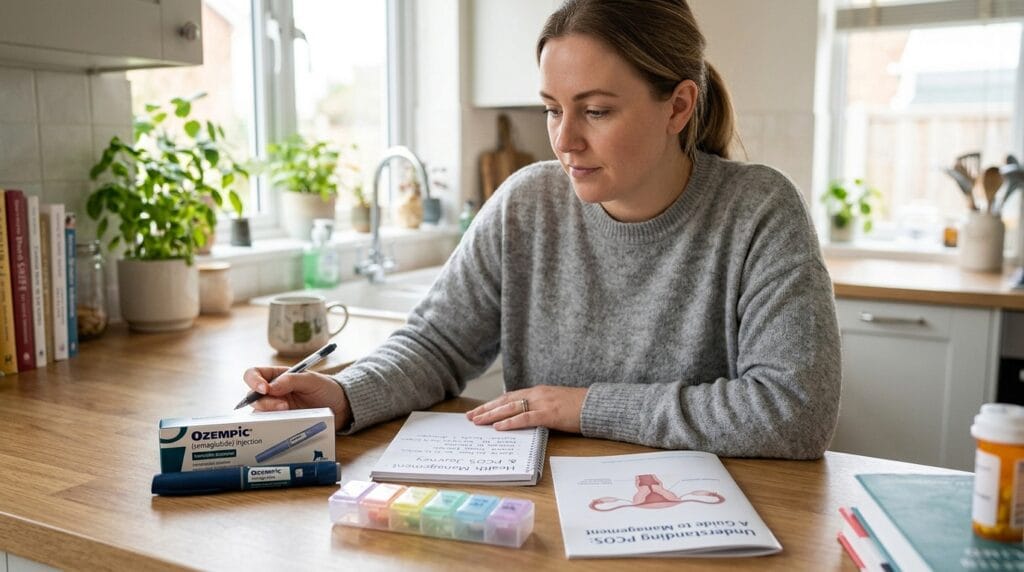
If you are interested in whether Ozempic could be right for your PCOS, most importantly speak to your doctor or an endocrinologist who specializes in PCOS management.
Ultimately,it is a tool, not a cure and it works best alongside the lifestyle changes outlined in this article.
The Bottom Line: Weight loss for PCOS
Weight loss for PCOS is harder. That is a fact. But it is absolutely possible, and the women who succeed are the ones who stop fighting their biology and start working with it.
Fix your insulin. Build muscle. Eat in a way that supports your hormones. Take the supplements and vitamins your body actually needs. Sleep. Manage your stress.
These are not quick fixes. However they are real ones. Your body is not broken. It just needs a different approach.
At Women’s Inner Battles, we are here for every woman fighting battles no one can see. Read. Reflect. Heal.